Proposed Reserve Area
Location – Geography
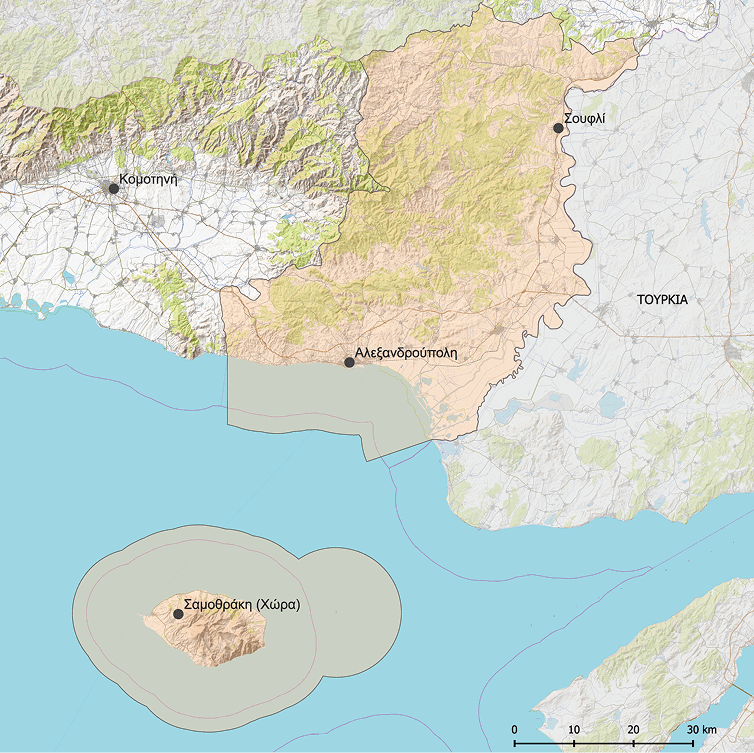
The Evros Biosphere Reserve: Dadía Forest – Evros Delta – Samothraki Island extends across the northeastern edge of Greece.
Its terrestrial part includes the municipalities of Soufli, Alexandroupoli and Samothraki, while its marine section stretches from the Evros River estuary to Cape Makri, surrounding Samothraki Island up to six nautical miles offshore. Here, natural wealth, history, and human presence blend harmoniously.
A vital biodiversity hotspot
2
National Parks
1
Ramsar Wetland
10
Natura 2000 sites
221
reasons for protection /species of wild flora and fauna
(17 θηλαστικά, 13 ερπετά/αμφίβια, 9 ψάρια,
5 ασπόνδυλα, 177 πουλιά, 15 ενδημικά είδη χλωρίδας)
(17 mammals, 13 reptiles/amphibians, 9 fish, 5 invertebrates, 177 bird species, 15 endemic plant species)
The proposed Biosphere Reserve includes geographically and ecologically diverse landscape in northeastern Greece
The area’s rich biodiversity is reflected in its wide variety of ecosystems: from the forests of Dadía and Ávantas, to the Evros River and Delta, lagoons and wetlands, coastal and marine zones and the island of Samothraki.
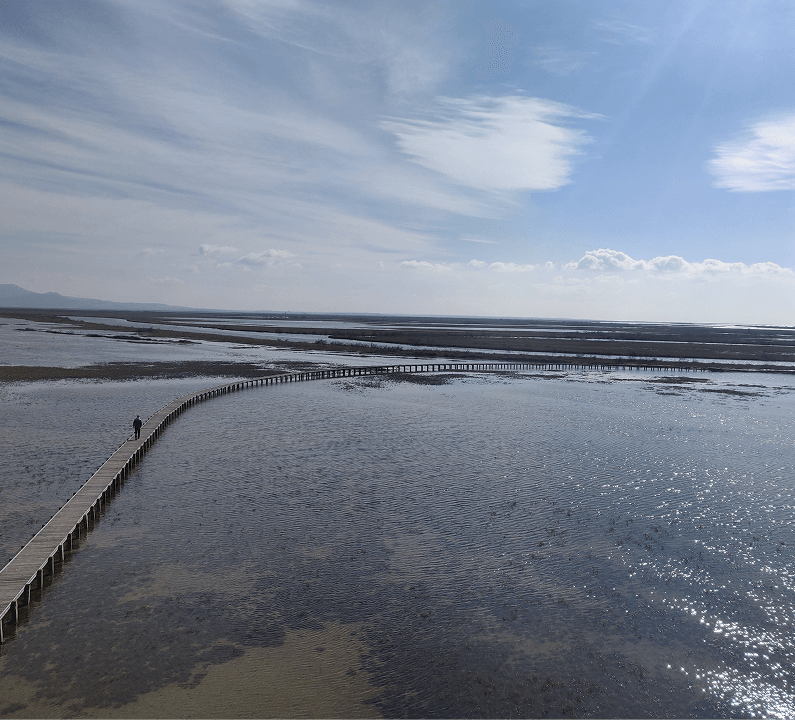
The Evros River forms one of the most important wetland systems in the Mediterranean: the protected Evros Delta (National Park, Natura 2000, Ramsar site). Its floodplains and the mountain streams of the Erythropotamos River regulate the area’s hydrology, while the river corridor serves as a vital migration route, linking the Balkans with the Black Sea and the Middle East.
The Delta is a major bird sanctuary, hosting tens of thousands of waterbirds each winter and serving as a key stopover for migratory species moving between Europe and Africa. It supports colonies of Purple Heron, Little Tern, and Spur-winged Lapwing.
The Dadía Forest shelters the largest population of the Black Vulture in the Balkans, while the Ávantas Forest hosts rare raptors such as the Black Vulture, Griffon Vulture, and Egyptian Vulture.
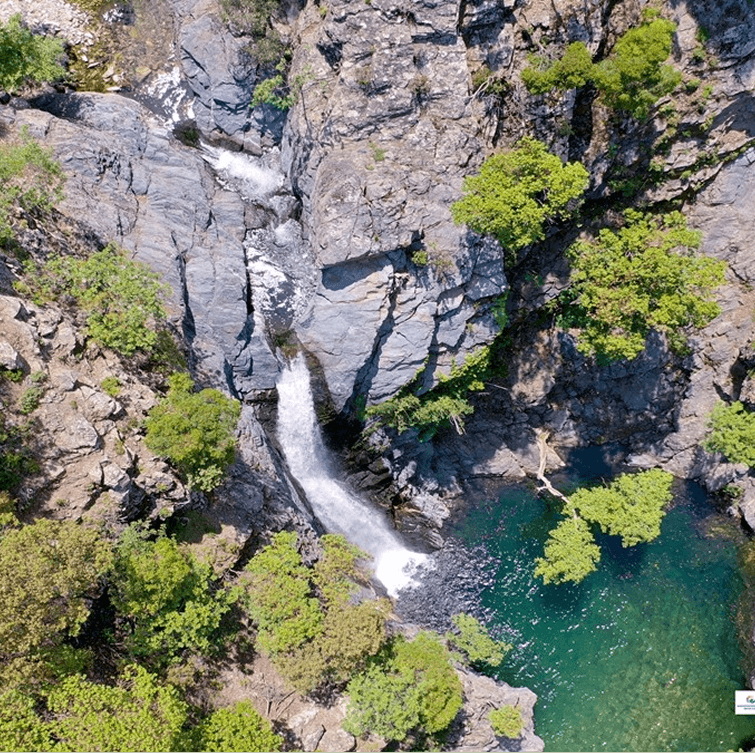
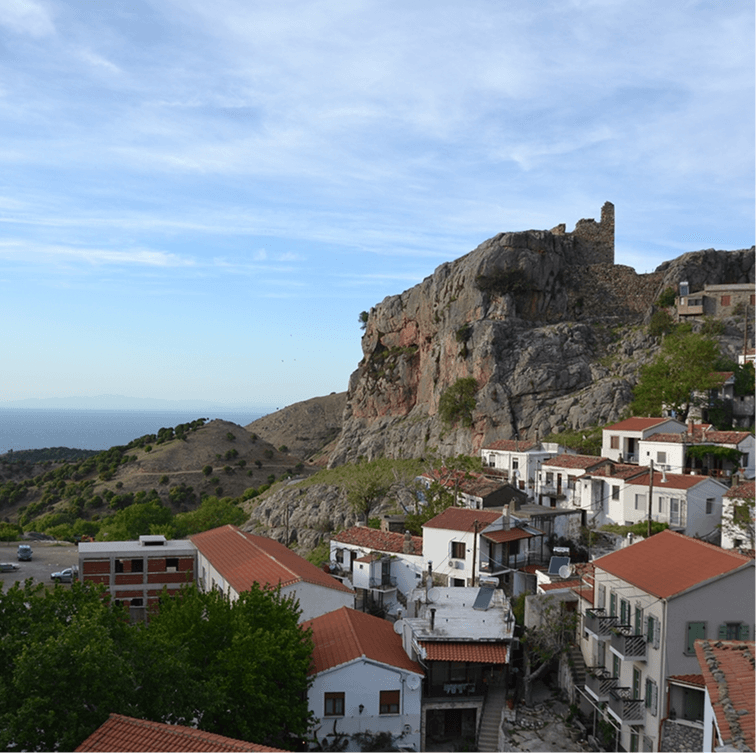
Samothraki stands out for its geomorphological diversity, forested slopes, natural pools, waterfalls and perennial streams. It is a migration stopover for birds and home to endemic plant species and the only alder riparian forest in the North Aegean.
The marine area of the proposed Reserve, part of the North Aegean Sea, features Posidonia seagrass meadows and supports rare marine mammals and reptiles, including a high population density of the Harbour Porpoise, the highest recorded in the entire Mediterranean.