
Culture
Cultural Heritage
Human presence in the area dates back to prehistoric times. Each era has left traces visible in archaeological sites and monuments, forming a multilayered cultural landscape. Notable examples include the megalithic tomb at Roussa (Soufli) and the settlement at Mikro Vouni (Samothraki), evidence of organized life since antiquity.
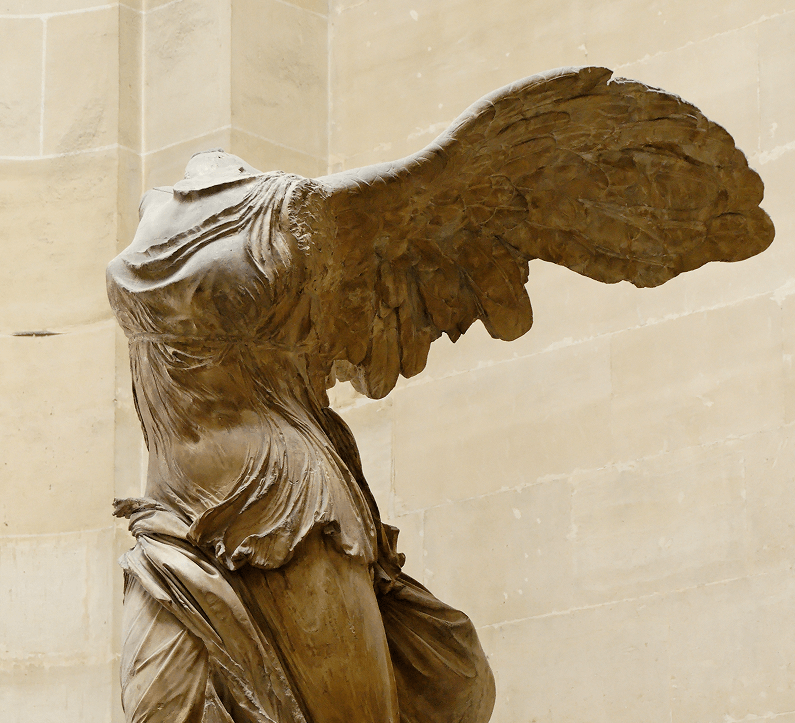
The Sanctuary of the Great Gods of Samothraki, a sacred site shrouded in mystery, remains a symbol of the island’s ancient spiritual heritage. In the Alexandroupoli area, key archaeological remains include the Mythical Tumulus of Makri, the ancient city of Mesimvria–Zone, Roman Traianoupolis and segments of the Via Egnatia, the great Roman road linking East and West. The region’s strategic importance is also illustrated by its fortifications — such as the castles of Ávantas, Potamos, and Gibreina, and the towers of Fonias and Palaeopolis — revealing its historic role as both crossroads and frontier.
Local traditions and festivals, from the Panagia Kosmosoteira Fair in Feres and the Soufli Silk Festival to the Pulsar Samothraki Art Festival and the Dadía Forest Mushroom Festival, keep community memory and identity alive.
A Carnival custom with a satirical character, performed on Clean Monday by men of all ages, accompanied by bagpipes and drums, the “Beys” ritual in Protokklisi (Soufli) is listed in Greece’s National Inventory of Intangible Cultural Heritage and is passed down from generation to generation.